
Table of Contents
- How to Support Wounded Warrior Causes: Start With the Right Approach
- Step 1: How to Help Veterans in Your Community
- Step 2: Best Military Charities to Donate To (And How to Verify Them)
- Step 3: How to Thank Service Members and Veterans Respectfully
- Step 4: Veteran Support Through Apparel Purchases
- Step 5: Support Tailored to Different Needs and Circumstances
- Common Mistakes to Avoid When Supporting Wounded Warriors
- Conclusion: Turning Support Into Lasting Impact
- Frequently Asked Questions
Last Updated: October 16, 2026
How to Support Wounded Warrior Causes: Start With the Right Approach
Learning how to support wounded warrior causes starts with one shift in thinking: wounded warriors need more than a donation. They need community, respect, and steady help over time.
The scale of the need is real.
Support wounded warrior efforts work best when you match the action to the need. Some veterans need emergency financial assistance. Others need mental health care, career help, or simply a friend who listens.
Step 1: How to Help Veterans in Your Community
The fastest way to help is local. Start with one hour a month and one veteran you already know.
Community support does not require a big budget. It requires showing up. Here is how to help veterans in your community starting this week:
- Offer a ride to a VA appointment or a grocery run
- Cook a meal or drop off groceries for a military family
- Help with yard work, home repairs, or moving day
- Invite a veteran to your gym, book club, or place of worship
- Share local job openings that fit their skills
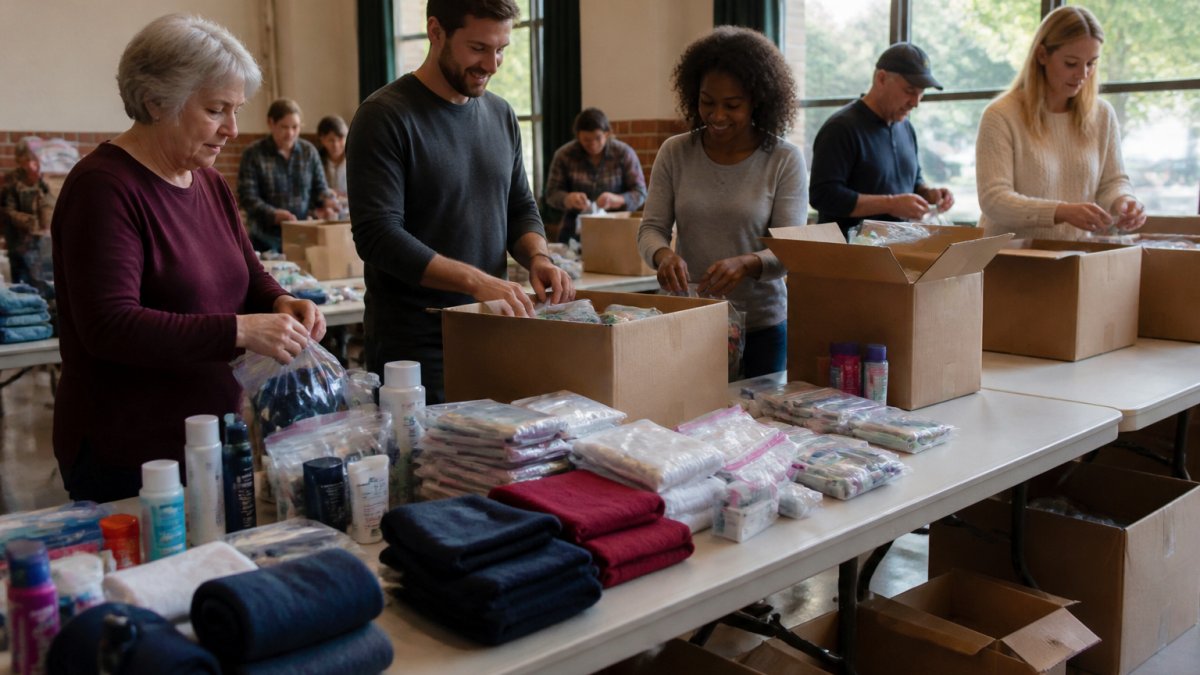
Everyday Actions That Make a Real Difference
Small actions add up. A common mistake is waiting for a grand gesture. In practice, consistency beats size.
- Check in by text once a week
- Learn to listen without offering advice first
- Include military families in holiday plans
For veterans in crisis, point them to the Veterans Crisis Line by dialing 988 and pressing 1. That single step can save a life.
Step 2: Best Military Charities to Donate To (And How to Verify Them)
The best military charities to donate to are ones you have checked yourself. Verification takes about ten minutes and protects your money. Start with these trusted names, then confirm each one on a charity watchdog site:
- Wounded Warrior Project
- Disabled American Veterans
- Fisher House Foundation
Charity Navigator's charity rating guide lets you check how each group spends donations. The IRS Tax Exempt Organization Search confirms nonprofit status in the United States. You can also use GuideStar (now Candid) to view a charity's mission, programs, and financials.
A Step-by-Step Verification Process
Before you give, run through these five steps. They work for any veteran charity, not just the ones above.
- Confirm 501(c)(3) status. Use the IRS Tax Exempt Organization Search to verify the charity is a registered nonprofit. This ensures your donation is tax-deductible and the organization is subject to public reporting.
- Check financial health on a watchdog site. Charity Navigator rates charities on financial health and accountability. Look for a score of 80 or above (out of 100) and an "Accountability & Transparency" score of 90 or higher. Also check the charity's Form 990 (available on GuideStar or the IRS site) to see what percentage of expenses go to programs versus administrative and fundraising costs. A common benchmark: at least 65-75% of expenses should go to programs.
- Review program outcomes. A reputable charity publishes annual reports or impact statements that show measurable results, not just stories. Look for numbers: how many veterans served, how many families housed, how many jobs filled. If a charity only shares emotional anecdotes without data, be cautious.
- Look for transparency about leadership and governance. The board of directors should be listed publicly, and the charity should have a conflict-of-interest policy. You can often find this on the charity's website under "About Us" or "Governance."
-
Check for red flags. Be wary if the charity:
- Refuses to provide its EIN or tax ID number
- Uses high-pressure tactics or emotional manipulation
- Cannot clearly explain how donations are used
- Has a name that closely mimics a well-known charity
- Spends more than 25% of its budget on fundraising
Questions to Ask Before You Give
Ask these before any donation:
- What share of funds goes to programs versus overhead?
- Which specific programs does my gift fund?
- Can the group show outcomes, not just stories?
How to Compare Charities
Not all veteran charities do the same work. Some focus on emergency financial assistance, others on mental health, adaptive housing, or career transition.
| Charity | Primary Focus | Typical Program Spending |
|---|---|---|
| Wounded Warrior Project | Mental health, career counseling, emergency aid | 70-75% |
| Disabled American Veterans | Benefits assistance, transportation, employment | 75-80% |
| Fisher House Foundation | Housing for families of hospitalized veterans | 90%+ |
| Semper Fi & America's Fund | Emergency financial aid, adaptive housing, mental health | 85-90% |
| Homes For Our Troops | Specially adapted homes for severely injured post-9/11 veterans | 90%+ |
Note: Program spending percentages are approximate and can vary year to year. Always check the latest Form 990 or watchdog rating for current figures.
By taking these steps, you can give with confidence and ensure your donation reaches the veterans who need it most.
Step 3: How to Thank Service Members and Veterans Respectfully
A simple, sincere thank you is enough. The key is timing and tone, not fancy words.
Here is how to thank service members and veterans without making it awkward:
- Keep it short: "Thank you for your service" works fine
- Ask before hugging or touching
- Skip questions about combat or injuries
Some veterans dislike the phrase entirely. If someone brushes it off, respect that. A better opener is often, "I'm glad you're here." Listening matters more than praising.
Step 4: Veteran Support Through Apparel Purchases
Veteran support through apparel purchases turns everyday clothing into ongoing giving. This is where Fall | Rise fits in.
We design premium tees, hoodies, bottoms, and activewear for the imperfectly perfect. Proceeds from select items go to the Wounded Warrior Project. You get comfortable gear. The cause gets funding. That is the whole idea.
Here is how to shop this way with confidence:
- Confirm which items carry the donation
- Check the brand names its charity partner
- Look for quality materials that last
Step 5: Support Tailored to Different Needs and Circumstances
Different veterans need different help. Match your support to the actual need. Below is a practical guide to common needs, the best types of support, and concrete resources you can share or use.
Physical Injuries and Recovery
Veterans with physical injuries often need adaptive equipment, rehabilitation, and accessible housing. Here are specific programs:
- VA Prosthetics and Sensory Aids Service: Provides artificial limbs, wheelchairs, and other devices to eligible veterans. Contact your local VA medical center.
- Homes For Our Troops: Builds specially adapted homes for severely injured post-9/11 veterans. Application is on their website.
- Semper Fi & America's Fund: Offers grants for adaptive housing, vehicle modifications, and in-home care.
How you can help: Offer transportation to appointments, help with home modifications (ramps, grab bars), or volunteer with a local adaptive sports group.
Mental Health and Emotional Well-Being
Mental health needs are often invisible but urgent. Resources include:
- Veterans Crisis Line: Dial 988 and press 1, or text 838255. Available 24/7.
- VA Mental Health Services: Every VA medical center has mental health providers. Veterans can enroll online or call 1-877-222-8387.
- Wounded Warrior Project Mental Health Programs: Offers counseling, peer support, and a 24/7 support line for warriors and family members.
How you can help: Listen without judgment, encourage professional help, and offer to accompany a veteran to a first appointment. Avoid saying "just get over it" or comparing their experience to others.
Financial Hardship and Emergency Assistance
Financial crises can hit any veteran. These programs provide quick help:
- VA Emergency Financial Assistance: For veterans in crisis, the VA can provide limited emergency funds for rent, utilities, or food. Contact your local VA regional office.
- Semper Fi & America's Fund: Provides emergency grants for rent, utilities, food, and medical bills.
- Wounded Warrior Project Emergency Aid: Offers emergency financial assistance to warriors and families.
How you can help: Donate to these funds, or if you know a veteran in need, help them gather documents (DD-214, proof of income) and apply.
Career Transition and Employment
Finding a civilian job can be tough. These resources help:
- VA Veteran Readiness and Employment (VR&E): Offers job training, resume help, and employment assistance to veterans with service-connected disabilities.
- Hire Heroes USA: Provides free career coaching, resume writing, and job placement for transitioning service members and veterans.
- Wounded Warrior Project Employment Programs: Offers career counseling, job fairs, and connections to employers.
How you can help: Share job openings, offer to review a resume, or connect a veteran with your professional network. If you're an employer, consider joining a veteran hiring initiative.
Caregiver and Family Support
Families and caregivers often carry a heavy load. Support includes:
- VA Caregiver Support Program: Offers training, respite care, and financial stipends to eligible caregivers of post-9/11 veterans.
- Fisher House Foundation: Provides free lodging for families of veterans receiving medical care at major military and VA hospitals.
- Elizabeth Dole Foundation: Offers resources, peer support, and advocacy for military caregivers.
How you can help: Offer to run errands, provide a meal, or give a caregiver a few hours off. Even small breaks matter.
Social Isolation and Community Connection
Many wounded warriors feel isolated. Combatting loneliness is powerful support.
- Team Red, White & Blue: Organizes local fitness and social events for veterans.
- The Mission Continues: Connects veterans with volunteer service opportunities in their communities.
- Wounded Warrior Project Peer Support: Groups and events that bring warriors together.
How you can help: Invite a veteran to a community event, start a regular coffee meetup, or simply check in by phone or text. Consistency matters more than grand gestures.
Post-9/11 vs. Older Veterans
Post-9/11 veterans often face different challenges than older veterans. They may be younger, have families with young children, and be navigating the transition to civilian life after multiple deployments. Older veterans may deal with chronic health conditions or isolation. Ask what helps before assuming. A one-size-fits-all approach rarely works.
By matching your support to the specific need, you ensure your time and money make the greatest impact.
Common Mistakes to Avoid When Supporting Wounded Warriors
Good intentions can still go wrong. Avoid these traps.
- Donating to unverified fundraisers
- Treating every veteran as broken or heroic
- Promising help you cannot deliver
The real difference between helpful and unhelpful support comes down to consistency and respect.
Conclusion: Turning Support Into Lasting Impact
Support works best as a habit, not a moment. Pick one step from this guide and repeat it monthly. Verify every charity before you give. And if you want your everyday purchases to carry the mission, Fall | Rise offers premium tees, hoodies, and activewear made for the imperfectly perfect, with proceeds from select items donated to the Wounded Warrior Project.
Frequently Asked Questions
How can I tell whether a veterans charity is trustworthy?
Check whether the organization publishes its fund allocation, annual reports, and program impact data. Look for registration with a recognized charity regulator and see how much of each dollar goes directly to programs versus overhead. A trustworthy charity will answer questions about eligibility, resource referral, and how donations are used. If an organization cannot show you where the money goes, treat that as a warning sign and look for one that can.
What are practical ways to support wounded veterans besides donating?
You can volunteer with local nonprofit organizations that serve post-9/11 veterans and military families. Offer practical help like driving a veteran to appointments, buying a meal, or helping with household tasks. Listen to veterans when they want to talk, and avoid pushing advice. You can also support veteran support through apparel purchases where a verified portion of proceeds goes to organizations like the Wounded Warrior Project, or start a fundraiser for a cause you have researched.
Can buying apparel help support wounded warriors?
Yes, if the brand is transparent about its giving. Look for companies that state which organization receives the donation, what percentage of proceeds is given, and how often donations are made. Fall | Rise donates proceeds from select items to the Wounded Warrior Project, so you can support the cause through a routine purchase. Always verify the partnership is real by checking the charity's own list of corporate partners or asking the brand directly.
What should I say to a wounded veteran who may need support?
Keep it simple and sincere. Say something like, 'I appreciate your service, and I'm here if you ever need anything.' Avoid asking about injuries or combat experiences unless they bring it up. If they mention a need, help them find a benefits consultation or resource referral through a local charity or government office. Respect their privacy and let them lead the conversation. Consistent, low-pressure support matters more than grand gestures.