
Table of Contents
- What Defines Sustainable Activewear
- Quick Comparison: Fall | Rise Sustainable Activewear Options
- Organic Activewear Brands: What Sets Them Apart
- Non-Toxic Activewear: Materials That Protect Your Health
- Recycled Fabric Activewear: Performance Without Environmental Cost
- Sustainable Workout Leggings: Durability and Comfort Combined
- How to Care for Eco-Friendly Activewear and Extend Its Life
- Frequently Asked Questions
Last Updated: October 11, 2026
What Defines Sustainable Activewear
Sustainable activewear combines performance with environmental responsibility. It's clothing designed to minimize harm to the planet while delivering the durability and comfort serious athletes demand. At Fall | Rise, we focus on activewear that doesn't compromise on either front.
True sustainable activewear means several things working together. The materials matter first: organic cotton, recycled polyester, and bio-based fibers replace conventional synthetics that shed microplastics. The manufacturing process matters too. Fair trade certification, non-toxic dyes, and closed-loop production reduce the environmental impact and protect worker safety. Then there's longevity. A legging that lasts five years instead of one is inherently more sustainable than cheaper alternatives you replace annually.
The performance vs. sustainability trade-off is real, but it's smaller than most people think. Modern eco-friendly fabrics offer moisture-wicking, breathability, and compression that rival conventional athletic wear. The difference is in the details: how the fabric recovers after washing, whether it holds its shape through hundreds of workouts, and whether it actually feels good on your skin.
What separates genuine sustainable activewear from greenwashing is transparency. Look for brands that disclose their supply chain, name their manufacturers, and explain their environmental impact. Vague claims about being "eco-friendly" mean nothing. Specific commitments to fair trade certification, chemical-free production, and end-of-life recycling mean everything.
Quick Comparison: Fall | Rise Sustainable Activewear Options
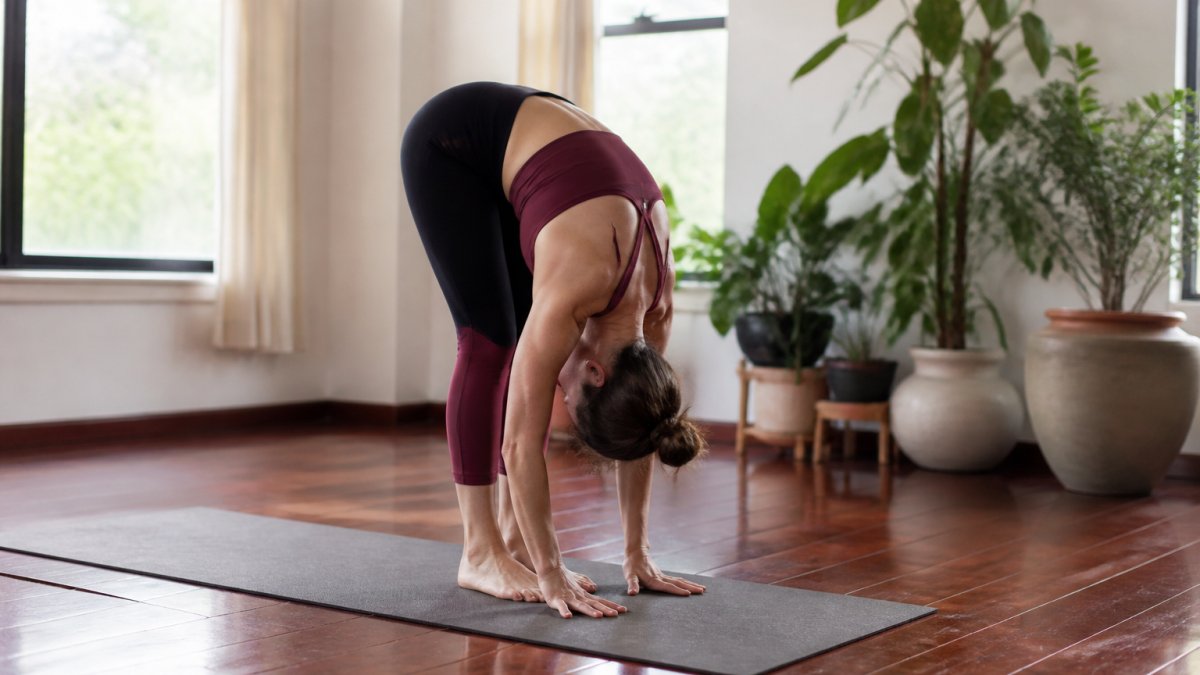
Fall | Rise offers several sustainable activewear pieces designed for durability and authentic comfort. Each item reflects our commitment to the imperfectly perfect individual who values both performance and purpose.
Melted Halo Yoga Leggings ($45) are our flagship option. The four-way stretch microfiber yarn provides genuine mobility without sacrificing support. The raised waistband stays in place during intense movement, and the precision-cut, hand-sewn construction means these leggings hold their shape through countless workouts. This is where durability translates directly to sustainability: a legging that lasts years beats buying replacements annually.

Melted Halo Sports Bras ($39) deliver moisture-wicking performance with thoughtful construction. The flat seams and bias binding eliminate the rubbing that creates discomfort during high-impact activity. Double-layer front support and racerback design provide stability without restriction. Four-way stretch fabric means the bra recovers properly after washing, maintaining its fit and function.
Women's Premium Athletic Short Shorts ($41) combine water-repellent microfiber with practical design. The mesh side pockets solve a real problem most athletic shorts ignore. Four-way stretch fabric handles everything from running to CrossFit without bunching or riding up.
| Product | Price | Key Material | Best For | Durability Feature |
|---|---|---|---|---|
| Melted Halo Yoga Leggings | $45 | 82% polyester, 18% spandex | Yoga, stretching | Hand-sewn precision cuts |
| Melted Halo Capri Leggings | $45 | Four-way stretch microfiber | Mid-calf preference | Flat seam coverstitch |
| Melted Halo Sports Bra | $39 | Moisture-wicking microfiber | High-impact activity | Double-layer front |
| Premium Athletic Shorts | $41 | Water-repellent microfiber | Running, training | Mesh side pockets |
Organic Activewear Brands: What Sets Them Apart
Organic activewear starts with the fiber itself. Unlike conventional cotton grown with heavy pesticide use, organic cotton is cultivated without synthetic chemicals. This protects soil health, reduces water pollution, and eliminates toxic residue on fabric that touches your skin. For activewear, this matters because you're wearing these pieces close to your body for hours at a time.
The real difference between organic activewear and conventional athletic wear shows up in two places: how the fabric feels and how it performs over time. Organic fibers tend to soften more genuinely with washing rather than pilling or degrading. They breathe better because they're not coated with chemical finishes designed to add artificial water resistance or durability.
Fall | Rise's approach to sustainable workout leggings reflects this philosophy. Our pieces use premium microfiber yarn that's smooth and comfortable from day one, then improves with wear. The four-way stretch means the fabric recovers properly after every wash, which is what actually keeps your activewear functional for years.
Organic activewear does cost more upfront. The certification process, the supply chain transparency, and the smaller production volumes all add expense. But a $45 legging that lasts five years costs less per wear than a $25 legging you replace every year.
Non-Toxic Activewear: Materials That Protect Your Health
Non-toxic activewear means the dyes, finishes, and chemical treatments applied during manufacturing don't linger on the fabric. Conventional athletic wear often uses heavy metals in dyes and formaldehyde-based finishes to improve wrinkle resistance and color fastness. These chemicals can irritate skin, especially during sweating when your pores are open.
The production process for non-toxic activewear eliminates these hazards. Manufacturers use low-impact dyes that meet strict environmental standards. Finishes are applied with water-based processes instead of petroleum-based chemicals. The result is fabric that's genuinely safer against your skin while also reducing environmental contamination in manufacturing regions.
What most guides miss is that non-toxic doesn't mean fragile. Modern low-impact dyes perform just as well as conventional ones. They hold color through repeated washing, resist fading, and don't bleed onto other clothes. The trade-off is minimal; the health benefit is real.
Our Melted Halo Sports Bras use moisture-wicking microfiber without chemical coatings that trap sweat or create odor buildup. The flat seams and bias binding are constructed to stay comfortable against skin, not because of chemical treatments, but because of thoughtful design.

Recycled Fabric Activewear: Performance Without Environmental Cost
Recycled polyester transforms plastic waste into functional athletic wear. Post-consumer recycled fibers come from plastic bottles and textile scraps. The process breaks down existing material and respins it into new yarn. This approach cuts the carbon footprint of production by roughly half compared to virgin polyester.
The performance question is straightforward: recycled polyester performs identically to virgin polyester. The molecular structure is the same. It stretches the same way, wicks moisture the same way, and holds color the same way. The only difference is the source material.
But here's what most sustainable activewear guides miss: recycled polyester still sheds microplastics during washing, just like virgin polyester. When you wash synthetic-blend leggings, whether made from recycled or new plastic, fibers break down and release microplastic particles into wastewater. These particles are too small for standard water treatment systems to filter, and they eventually reach oceans and soil.
This is why material choice matters more than recycled vs. virgin. A legging made from 82% recycled polyester and 18% spandex (like many sustainable activewear options) will still shed microplastics. The environmental benefit of recycling the initial plastic is real, but it doesn't eliminate the microplastic problem over the garment's lifetime. This is the trade-off most brands don't discuss.
The genuine sustainability win comes from durability combined with recycled content. If a legging lasts five years instead of one, it sheds microplastics over five years rather than requiring five separate garments that each shed over one year. The total microplastic load is lower. But the shedding still happens.
What makes recycled activewear genuinely sustainable is the circular economy angle combined with longevity. Instead of extracting new petroleum for polyester production, manufacturers divert waste from landfills. But this only works if the activewear itself is durable enough to justify the recycling investment.
This is why durability matters so much in sustainable activewear. Fall | Rise's Melted Halo Yoga Leggings use precision-cut construction and hand-sewn details specifically because they're built to last. The raised waistband, the microfiber yarn quality, and the four-way stretch all contribute to longevity that makes recycled materials a genuine environmental win.
Sustainable Workout Leggings: Durability and Comfort Combined
The best sustainable workout leggings solve a specific problem: they need to perform during intense activity while lasting for years. This means the fabric must recover properly after every wash, the seams must hold under stress, and the waistband must stay in place without digging in.
Melted Halo Rainbow Collection Yoga Leggings →
Fall | Rise offers three legging options, each designed for different preferences. The Melted Halo Rainbow Collection Yoga Leggings provide full-length coverage with a smooth microfiber yarn that feels premium from the first wear. The Black/Maroon Melted Halo Yoga Capri Leggings offer mid-calf length for warmer weather or personal preference. The Melted Halo Wraparound Yoga Leggings feature a classic silhouette with the same durability standards.

All three share the same construction philosophy: four-way stretch fabric, raised waistband, and precision-cut seams. This consistency means whichever style you choose, you're getting the same commitment to longevity. A legging that maintains its fit and function through hundreds of workouts is inherently more sustainable than cheaper alternatives you replace annually.
The comfort question gets overlooked in sustainability discussions. If activewear doesn't feel good, you won't wear it. If you won't wear it, durability becomes irrelevant. Our leggings use smooth microfiber yarn specifically because it feels better against skin, which means you'll actually choose these pieces for your workouts instead of reaching for something else.
How to Care for Eco-Friendly Activewear and Extend Its Life
Proper care is where sustainability actually happens. How you wash, dry, and store activewear determines whether it lasts two years or five years.
Washing to Reduce Microplastic Shedding
Wash in cold water to preserve fabric integrity, reduce energy consumption, and minimize fiber breakdown. Hot water breaks down elastic fibers faster, fades colors more quickly, and increases microplastic release.
Use mild detergent designed for athletic wear, which means surfactants that clean without harsh chemicals. Heavy detergents can build up on fabric and reduce moisture-wicking performance.
Wash activewear inside-out to reduce surface friction that causes fiber release. Use a mesh laundry bag to contain shedding and reduce the number of microplastics that enter wastewater.
Avoid fabric softener and bleach. Softener coats fibers and reduces their ability to breathe while also accelerating fiber breakdown. Bleach breaks down elastic and damages dyes. Both products increase microplastic shedding.
Air dry when possible instead of using high heat in the dryer, which degrades microfiber yarn, weakens elastic, and accelerates fiber breakdown. If you use a dryer, use low heat.
Storage and Maintenance
Store activewear in a cool, dry place away from direct sunlight. Sunlight fades colors and degrades synthetic fibers over time, leading to earlier replacement and higher total environmental impact.
End-of-Life Disposal and Recycling
When your activewear reaches the end of its life, disposal matters as much as the initial purchase. Most synthetic activewear cannot be recycled through standard curbside programs because the fiber-blend construction (typically polyester-spandex blends) makes separation difficult.
For activewear made primarily from polyester or recycled polyester, check with textile-specific recycling programs in your area. Organizations like Textile Exchange maintain directories of textile recyclers that accept athletic wear.
For activewear made from organic cotton or natural fibers, composting is an option if the garment contains no synthetic elastic or dyes that won't break down.
If recycling isn't available, donate activewear that's still wearable to thrift stores, athletic programs, or community organizations. Extending the garment's life through a second owner delays landfill disposal and reduces the need for new production.
The Care-to-Longevity Connection
This care routine takes minimal extra effort but extends the life of your activewear significantly. A legging cared for properly stays comfortable and functional for years.
Frequently Asked Questions
What is the most sustainable fabric for activewear?
Sustainable fabrics balance performance with environmental responsibility. Organic cotton eliminates synthetic pesticides, while recycled polyester diverts waste from landfills. Blended fabrics like the 82% polyester and 18% spandex used in Fall | Rise's Melted Halo leggings offer durability and stretch recovery. The best choice depends on your priorities: organic fabrics reduce chemical exposure, recycled options address textile waste, and high-quality synthetics extend garment life, reducing overall environmental impact.
Why does sustainable workout leggings quality matter more than price?
Durable sustainable activewear reduces waste over time. A pair of leggings lasting 3+ years outperforms cheaper alternatives that wear out in months, despite higher upfront cost. Look for four-way stretch fabric, flat seams, and raised waistbands that prevent pilling and maintain shape. Fall | Rise's sustainable workout leggings feature precision-cut, hand-sewn construction and microfiber yarn that recovers after every wash, justifying the investment through longevity.
How do I identify non-toxic activewear when shopping?
Check for moisture-wicking properties and flat seam construction that eliminate rubbing and skin irritation. Non-toxic activewear avoids harsh chemical dyes and finishes. Look for brands transparent about their manufacturing practices and material sourcing. Fall | Rise's sports bras and leggings feature moisture-wicking fabric with flat seams and bias binding designed to reduce friction and chemical exposure during workouts.
Can recycled fabric activewear perform as well as new synthetic materials?
Yes. Recycled polyester delivers the same performance benefits as virgin polyester when manufactured correctly. It provides four-way stretch, moisture-wicking, and durability while reducing demand for new petroleum extraction. The key is construction quality: look for precision-cut pieces, reinforced seams, and tested stretch recovery. Recycled fabric activewear performs identically to conventional options but with a smaller environmental footprint.